

 By
By If you’ve ever tried to lose weight, you’re not alone—and you’re definitely not failing.
Most people struggle with weight loss not because they’re lazy or lack willpower, but because they’re given confusing, extreme, or unrealistic advice. One day you’re told to cut carbs. The next day it’s fat. Then suddenly you’re expected to survive on tiny portions and endless workouts.
At FitWeightLife, we believe weight loss should feel manageable, realistic, and healthy—not exhausting or stressful.
This guide will walk you through how to lose weight safely, what actually works long term, and how to avoid the mistakes that cause people to quit or regain weight.
What Is the Safest Way to Lose Weight?
The safest way to lose weight is to focus on steady fat loss, not quick results.
Safe weight loss isn’t about punishment or restriction. It’s about:
- Eating in a way you can maintain
- Moving your body regularly
- Giving your body time to adjust
- Building habits that fit your real life
When weight loss is slow and consistent, it’s far more likely to stay off.
What Is Considered Healthy Weight Loss?
For most people, healthy weight loss means losing about:
0.5 to 1 pound (0.25–0.5 kg) per week
This pace helps:
- Protect your metabolism
- Preserve muscle
- Reduce fatigue and hunger
- Lower the risk of regaining weight
How Much Weight Can You Lose in a Month Safely?
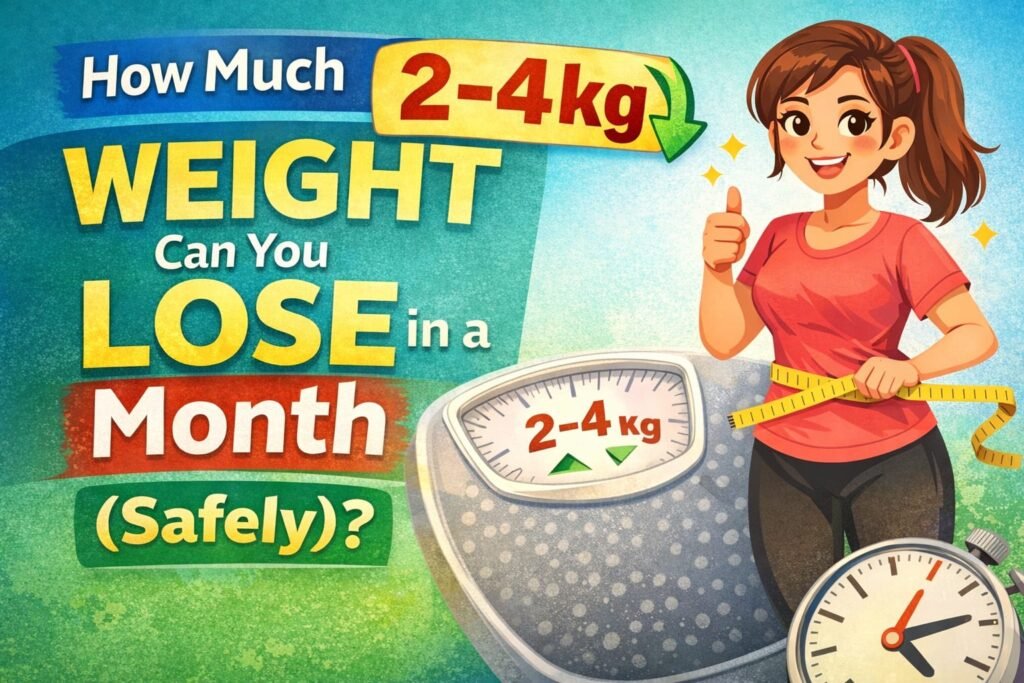
A realistic expectation is:
- 2–4 pounds (1–2 kg) per month
Early changes on the scale may be water weight. True fat loss happens gradually, and that’s a good thing.
Why Most Diets Don’t Work
If diets actually worked, people wouldn’t need to keep starting over.
Most diets fail because they:
- Are too restrictive
- Cut out foods people enjoy
- Depend on motivation instead of habits
- Ignore stress, sleep, and lifestyle
Short-term diets may cause quick weight loss, but they rarely teach how to maintain it.
Is Losing Weight Harder as You Get Older?
Weight loss can feel harder with age due to:
- Less daily movement
- Hormonal changes
- Busy schedules
But age itself doesn’t stop fat loss. Consistency still works at any age.
Calorie Deficit (Explained Without Confusion)
What Is a Calorie Deficit?
A calorie deficit simply means:
Your body uses more energy than you consume.
When this happens consistently, your body uses stored fat for fuel.
You don’t need complicated formulas. You just need balance.
How Big Should the Deficit Be?
A small to moderate deficit works best.
Extreme calorie cutting often leads to:
- Constant hunger
- Low energy
- Muscle loss
- Binge eating
Slow progress is more sustainable.
Can You Lose Weight Without Counting Calories?
Yes.
Many people lose weight without tracking numbers by:
- Eating more whole foods
- Increasing protein and fiber
- Reducing ultra-processed foods
- Paying attention to portions
Tracking calories is a tool—not a requirement.
What Should You Eat to Lose Weight Safely?
There’s no single “perfect” diet, but successful weight loss plans usually include:
- Protein to control hunger
- Fiber to stay full longer
- Healthy fats for satisfaction
- Mostly whole foods
Low-Carb vs Low-Fat: Which Is Better?
Both can work.
The best diet is the one you can:
- Enjoy
- Stick to
- Maintain long term
Consistency matters more than diet labels.
How Many Meals Per Day Are Best?
There’s no universal answer.
Some people prefer:
- Three regular meals
- Smaller frequent meals
- Intermittent fasting
Choose what supports your energy and lifestyle.
Exercise for Beginners (No Gym Pressure)
Do You Need Exercise to Lose Weight?
You can lose weight without exercise, but movement:
- Makes weight loss easier
- Preserves muscle
- Improves mood and health
Exercise supports fat loss—it doesn’t need to be extreme.
Best Exercises for Beginners
- Walking
- Bodyweight exercises
- Light strength training
- Cycling or swimming
How Often Should You Exercise?
A realistic goal:
- 3–5 days per week
- Focus on consistency, not intensity
Doing something is always better than doing nothing.
Lifestyle Habits That Affect Weight Loss
Sleep and Weight Loss
Poor sleep increases hunger and cravings.
Aim for 7–9 hours of sleep whenever possible.
Stress and Weight Gain
Chronic stress can:
- Increase appetite
- Reduce motivation
- Slow progress
Managing stress helps more than most people realize.
Does Drinking Water Help?
Staying hydrated can:
- Reduce false hunger
- Improve digestion
- Support daily energy
Small habits matter.
Common Weight Loss Mistakes
Many beginners slow their progress by:
- Eating too little
- Skipping meals
- Over-exercising
- Obsessing over the scale
- Expecting fast results
Weight loss isn’t linear. Ups and downs are normal.
How Long Does Weight Loss Take?
When Will You Notice Changes?
- First weeks: water weight changes
- One month: subtle differences
- Three months: visible fat loss
Why the Scale Lies Sometimes
The scale doesn’t show:
- Fat vs muscle
- Water retention
- Body composition
Progress shows up in many ways.
Staying Motivated Long Term
Motivation comes and goes. Habits last.
Helpful strategies:
- Set realistic goals
- Track habits, not just weight
- Focus on how you feel
- Celebrate small wins
Weight loss works best when it becomes part of your lifestyle—not a temporary phase.
Is Weight Loss Safe for Everyone?
Not always.
People with medical conditions, those who are pregnant, or anyone with a history of eating disorders should speak to a healthcare professional before attempting weight loss.
Health always comes first.
Frequently Asked Questions
What is the safest way to lose weight?
Slow, sustainable lifestyle changes.
Can I lose weight without exercise?
Yes, but movement improves results and health.
How fast is too fast?
Consistently losing more than 2 pounds per week may be unsafe.
Why am I not losing weight?
Hidden calories, stress, poor sleep, or unrealistic expectations are common reasons.
Final Thoughts
Safe weight loss isn’t about being perfect.
It’s about making better choices most of the time and staying patient with the process.
At FitWeightLife, we’re here to help you build habits that support long-term health, not just short-term results.